Fes is one of Morocco’s most beautiful and historic cities. Known as the cultural and spiritual heart of the country, it has been home to scholars, craftsmen, and merchants for more than a thousand years. Founded in the 8th century, Fes once served as the capital of Morocco and remains a symbol of traditional Moroccan life. Walking through its narrow alleys feels like stepping back in time.
The city is divided into three main areas. Fes el-Bali, the old medina, is a UNESCO World Heritage Site filled with mosques, souks, and artisan workshops. Fes el-Jdid, the “new” medina, was built in the 13th century and houses the Royal Palace and Jewish quarter. The Ville Nouvelle, created during the French protectorate, is the modern part of the city with cafés and wide streets. Each part tells a different story, but the soul of Fes lies in the old medina.
The Best Things to Do in Fes
Here is an overview of the top attractions and experiences in Fes.
| Attraction | Highlights | Visitor Tips |
|---|---|---|
| Fes el-Bali Medina | Ancient alleys, souks, mosques, artisan markets | Go early or late in the day, hire a guide |
| Al Quaraouiyine University | Founded in 859 AD, the oldest university in the world | View from outside, non-Muslims cannot enter |
| Bou Inania Madrasa | 14th-century Islamic school with beautiful carvings | Open to all visitors |
| Chouara Tannery | Colorful leather-dyeing pits from medieval times | Bring mint or a scarf for the smell |
| Dar el-Makhzen (Royal Palace) | Brass gates, colorful tiles, and carved wood | Can be viewed only from outside |
| Mellah (Jewish Quarter) | Old synagogue, Jewish cemetery, unique architecture | Visit during daytime |
| Marinid Tombs | Hilltop ruins with panoramic city views | Best at sunset |
| Jnan Sbil Gardens | Peaceful park with fountains and trees | Free entry |
| Borj Nord Museum | Fortress with historical weapons and city view | Worth visiting in the afternoon |
Exploring the Fes Medina
The Fes el-Bali medina is one of the oldest and largest car-free areas in the world. Founded in the 9th century, it is home to more than 9,000 narrow streets. You will find artisans making carpets, copperware, and ceramics just as their ancestors did centuries ago. The smell of spices and leather fills the air, and the sound of the call to prayer echoes through the alleys.
Because the medina can be confusing, it is best to explore it with a local guide. A guide will show you hidden corners, explain the history, and help you visit places that you might otherwise miss. Wear comfortable shoes and take your time; the medina is not a place to rush.
Visit Al Quaraouiyine University

Al Quaraouiyine University is one of the most important landmarks in Morocco. It was founded in 859 AD by a woman named Fatima al-Fihri and is recognized as the oldest existing university in the world. It has been a center of study for religion, mathematics, and astronomy for more than 1,000 years. The mosque and university complex are still in use today. Non-Muslims cannot enter the main prayer area, but the beautiful green tiles and marble courtyard can be admired from nearby streets.
The Bou Inania Madrasa

Built in the 14th century by the Marinid Sultan Abu Inan, the Bou Inania Madrasa is one of the finest examples of Moroccan architecture. The madrasa once served as both a school and a mosque. Its courtyard is decorated with marble floors, carved cedar wood, and geometric mosaics. The building remains open to visitors and offers a quiet space in the middle of the busy medina. It is one of the few religious structures in Morocco open to everyone, regardless of faith.
The Chouara Tannery

The Chouara Tannery is one of the most famous sites in Fes. It has operated for hundreds of years, and the process of dyeing leather here has changed very little. From the balconies above, you can see workers standing in large stone vats filled with natural dyes made from plants and minerals. The colors—reds, yellows, and blues—create an unforgettable scene. The smell can be strong, so it is a good idea to carry a sprig of mint to make the visit more comfortable.
The Royal Palace

Located in Fes el-Jdid, the Royal Palace, known as Dar el-Makhzen, is still used by the Moroccan royal family. Although the interior is closed to the public, the main gates are a masterpiece of design. They are made of carved brass, colorful tiles, and cedar wood. The area around the palace, especially the large Place des Alaouites square, is worth visiting for photos and to enjoy the local atmosphere.
The Mellah, or Jewish Quarter

Next to the Royal Palace lies the Mellah, the old Jewish quarter of Fes. Built in the 14th century, this neighborhood was home to a thriving Jewish community for many centuries. Its buildings have wooden balconies and European-style windows that make it look different from the rest of the medina. You can visit the Aben Danan Synagogue, one of the oldest synagogues in Morocco, and the Jewish cemetery nearby. The Mellah is a quiet and meaningful place that tells a story of Morocco’s multicultural past.
The Marinid Tombs

The Marinid Tombs sit on a hill overlooking Fes and date back to the 14th century. Although the tombs are partly in ruins, the view from here is one of the best in the city. You can see the entire medina stretching below, with its minarets and rooftops. The best time to visit is in the late afternoon, when the sun sets and the city glows in golden light.
Jnan Sbil Gardens

If you need a break from the busy medina, Jnan Sbil Gardens offer peace and fresh air. These gardens were created in the 18th century and later restored to their original beauty. They are filled with palm trees, fountains, and walking paths. Locals come here to relax, and travelers often enjoy a quiet moment surrounded by greenery. The gardens connect the old and new parts of the city and are open to the public every day.
Borj Nord Museum

The Borj Nord Museum is housed in a 16th-century fortress that once protected the city. It now displays a large collection of historical weapons and armor. The museum also offers one of the best views of Fes from its terrace. Visiting Borj Nord gives you a different perspective of the city’s history and its strategic importance during past centuries.
The Souks of Fes

The markets of Fes are among the most colorful and diverse in Morocco. Each souk specializes in something different. In the Souk el-Henna, you will find natural cosmetics, oils, and traditional medicines. The Attarine Souk sells spices, teas, and perfumes that fill the air with rich aromas. Seffarine Square is famous for its copper artisans, whose rhythmic hammering can be heard from far away. In the Souk Cherbla, leather slippers and handmade bags line the walls. Bargaining is part of the experience, and a friendly conversation with the shopkeepers often leads to the best price.
Taste the Flavors of Fes
Fes is often considered the culinary capital of Morocco. The city’s traditional dishes reflect its long history and mix of cultures. Pastilla, a flaky pastry filled with chicken, almonds, and cinnamon, is one of its most famous meals. You should also try harira, a soup made with lentils and chickpeas, and rfissa, a hearty dish served over thin bread. Local restaurants and riads often serve couscous and tagine, cooked slowly with meat and vegetables. For a special experience, join a cooking class with a local chef to learn how to prepare Moroccan food yourself.
Stay in a Traditional Riad

One of the best parts of visiting Fes is staying in a riad. These traditional Moroccan houses are built around inner courtyards with fountains and decorated with tiles and woodwork. Many riads in Fes have been restored and turned into guesthouses. Riad Fes offers luxury and panoramic views of the medina. Riad Laaroussa is known for its elegant design and friendly service. Dar Seffarine combines history with comfort and has one of the most authentic atmospheres in the old city. Staying in a riad lets you experience Moroccan hospitality up close.
Day Trips from Fes

Fes is a great base for exploring nearby destinations. A short drive away are the Roman ruins of Volubilis, one of Morocco’s most important archaeological sites. You can also visit Meknes, another imperial city known for its grand gates and mausoleums. If you have a full day, travel to Chefchaouen, the famous Blue City in the Rif Mountains, where every wall is painted in shades of blue. These trips can be done comfortably with a private driver or as part of a guided tour.
Travel Tips for Visiting Fes
Wear modest clothing that covers shoulders and knees. Carry small cash for tips and small purchases. Stay hydrated, especially in summer. Always greet locals politely with “Salam Alaikum.” Keep valuables close and avoid walking in quiet alleys late at night. The best time to visit Fes is in spring or autumn when the weather is mild and pleasant. Taking a guided walking tour on your first day helps you get familiar with the layout of the city.
Why Fes is Worth Visiting
Fes is more than just an old city; it is a living museum where tradition and daily life meet. Its streets tell stories of the past, from scholars and kings to artisans and merchants. Here, you can see how Moroccan culture has been preserved for centuries. Whether you are watching the sunrise from a rooftop or listening to the evening call to prayer echo across the medina, Fes will leave you with memories that last a lifetime.
Frequently Asked Questions
Yes, Fes is generally safe for travelers. Like in any big city, it is best to stay alert and avoid isolated areas at night. Hiring a local guide also helps you move around comfortably.
Two to three days are enough to see the main attractions, but staying longer allows you to explore nearby cities like Meknes and Chefchaouen.
Fes is known for its medieval medina, traditional crafts, tanneries, and the world’s oldest university. It is also famous for its food and historical architecture.
Yes, but it is very easy to get lost. A guide helps you find key landmarks, understand the history, and visit hidden workshops safely.
The best seasons are spring (March to May) and autumn (September to November). During these months, the weather is pleasant for walking and sightseeing.
Many people in tourist areas speak English, but French and Arabic are more common. Learning a few basic words in Arabic or French is appreciated.
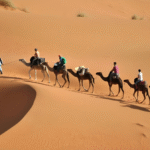
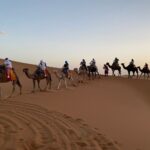
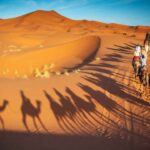
Yes, many tours travel from Fes to the Merzouga Desert in two or three days. These tours include camel rides, desert camps, and stops at scenic valleys along the way.