Morocco is a beautiful country with incredible diversity. From golden deserts and snowy mountains to peaceful seaside towns and ancient cities full of history, it offers something for every traveler. For visitors coming from Ireland, it is a destination full of color, culture, and unforgettable experiences.
In this blog, we focus on giving you a complete guide to make your trip planning smooth, stress-free, and safe. You will find practical tips, destination highlights, and useful travel advice to help you enjoy Morocco to the fullest. If you have any further questions, feel free to contact Touring In Morocco. We are here to help you plan the perfect journey.
Entry to Morocco
For travelers from Ireland, entering Morocco is simple. You do not need a visa for stays of up to 3 months. The only requirement is that your passport is valid for at least 6 months from the date you enter the country.
There are several flight options available from Ireland. You can find direct flights to Morocco, or choose flights with stopovers in European countries such as France, Spain, or Portugal. This makes planning your journey flexible and easy, whether you prefer a quick, direct trip or a budget-friendly route with connections.
Step-by-step Travel Planning
Best Time to Visit Morocco
The best time to visit Morocco is from the end of August to the beginning of June. During this long stretch of the year, the weather is pleasant in most parts of the country, making it easier to explore both cities and nature without extreme conditions.
- Spring: (March to May) and Autumn (September to November) are considered the high seasons. These months bring mild temperatures, blooming landscapes, and clear skies. It is a perfect time for exploring the Sahara Desert, hiking in the Atlas Mountains, or enjoying the seaside towns along the Atlantic coast.
- Winter: (December to February) is cooler, especially at night. In the mountains, you may even see snow, while the desert can have very cold nights but still warm days. This season is great for travelers who prefer fewer crowds and cooler weather while still enjoying plenty of sunshine.
- Summer: (June to August) can be very hot, especially inland and in the desert regions like Merzouga or Zagora, where temperatures often climb above 40°C. Coastal areas such as Essaouira or Agadir stay cooler thanks to the ocean breeze, making them good options for summer trips.
Travelling Essentials
- Health: To stay healthy during your trip to Morocco, it is best to follow basic hygiene and safety measures. Always eat in clean restaurants or food stalls where locals also dine, and avoid food that looks poorly stored. Drink bottled water instead of tap water, and wash fruits before eating them. Moreover, it is also wise to check if you need any recommended vaccinations before traveling, such as hepatitis A or typhoid.
- Money: The local currency in Morocco is the Moroccan Dirham (MAD). While you can exchange money at the airport, the rates there are not as good. For better exchange rates, wait until you reach larger cities like Marrakech, Casablanca, or Fes, where exchange offices are common. In smaller towns, you can exchange money at local banks, but the rates are usually less favorable. ATMs are also available in most cities and towns if you prefer to withdraw cash.
- SIM Cards: Staying connected in Morocco is easy with local SIM cards. The three main providers are Maroc Telecom, Inwi, and Orange. All of them offer prepaid packages for calls and internet. Maroc Telecom is the most reliable choice, with coverage across almost the entire country, including rural areas and the desert. You can buy SIM cards at the airport, in phone shops, or at the tobacco stores known as “Saka”.
Popular Morocco Tours
These are the most popular Tour Destinations in Morocco:

Must-See Things & Experiences in Morocco
Imperial Cities
In Morocco, there are four Imperial Cities: Marrakech, Fes, Rabat, and Meknes. Each one has an old medina surrounded by great walls, full of stories from centuries ago. If you love history, these are the first places to add to your itinerary.
Atlas Mountains & Sahara Desert
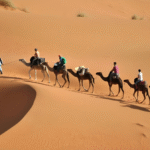
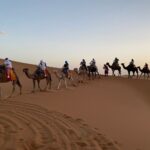
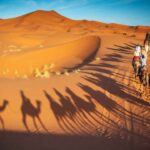
For nature lovers, the Atlas Mountains and the Sahara Desert are the highlights of any trip to Morocco. In the desert, you can ride camels across golden dunes, watch the sunset, and spend the night in a Berber camp under the stars. In the Atlas Mountains, you will find deep valleys, unique gorges, and old kasbahs like the famous Aït Benhaddou.
Coastal Highlights
The coast of Morocco is perfect for travelers looking to relax, enjoy cooler weather in summer. Essaouira charms with its blue and white medina and fresh seafood, Agadir is known for its long beaches and resorts, while Tangier and Asilah mix history with coastal beauty. Further south, Legzira beach is famous for its natural stone arches and peaceful atmosphere. If you are looking for a surfing experience, Taghazout is the best destination.
Local Culture & Food
To truly experience Morocco, you should connect with the locals, learn about their lifestyle and traditions. In the big cities, walk around the colorful souks filled with spices, Berber carpets, and handmade crafts. To enjoy an authentic night, stay in a Riad, a traditional Moroccan house with decorated courtyards. Furthermore, sip a glass of mint tea, the symbol of Moroccan hospitality, and take part in festivals filled with music, dance, and tradition.
Morocco Travel Tips
- Police & Emergencies: In case of any emergency, you can call the Moroccan police at 19 (landline) or 190 (mobile). Keep this number saved on your phone while traveling.
- Safe Transport: Use licensed taxis, official buses, or private drivers arranged through your hotel or tour operator. Avoid unmarked taxis, especially at night. For longer trips, trains and private cars are the safest and most comfortable options.
- Protecting Belongings: Keep valuables like passports, cash, and electronics in a safe place. Use money belts or hotel safes when possible. In busy markets and city centers, watch out for pickpockets and avoid carrying large sums of money.
- Respecting Local Customs: Some places in Morocco can be conservative, especially outside major cities. Dress modestly, cover your shoulders and knees when visiting rural areas or religious sites, and always ask before taking photos of people.
- Road Trips: If you plan to rent a car, drive carefully and follow the rules, as traffic can be hectic in big cities like Marrakech. In rural areas, be cautious of animals crossing the road. Carry enough fuel and water if driving long distances through the desert.
- Solo Travelers: Morocco is generally safe, but solo travelers should stay in well-reviewed accommodations, avoid deserted areas at night, and join guided tours for activities like desert camping or mountain hiking.