Morocco is one of the most visited countries in Africa. Every year, millions of travelers explore Marrakech, Fes, Chefchaouen, Casablanca, the Sahara desert, and the Atlantic coast without problems. Like any destination, there are risks, but with some common-sense precautions, Morocco is generally a safe country to visit.
Quick safety snapshot for Morocco
- Main cities: Marrakech, Fes, Casablanca, Rabat, Tangier, Agadir
- Popular regions: Atlas Mountains, Sahara desert (Merzouga, Erg Chebbi, Erg Chigaga), Atlantic coast (Essaouira, Agadir)
- Overall safety level: generally safe for tourists, with normal city precautions
- Safer style of travel: private driver or organized tour, especially at night or for long distances
How safe is Morocco for tourists?
Morocco is politically stable and tourism is very important for the country. In major tourist areas such as Marrakech, Fes, Casablanca, Rabat, Tangier, and Agadir you will see a visible police presence.
Violent crime against tourists is rare. The most common problems are pickpocketing, bag snatching, and minor scams around busy medinas, bus stations, and crowded markets. Keeping valuables close, not flashing expensive jewelry, and using hotel or riad safes already reduces most risks.
At night, main avenues and central squares are usually busy and feel safe. Small, dark alleys away from the crowds should be avoided, especially if you are alone.
Common scams and annoyances
In the historic medinas of Marrakech and Fes, you may meet people who insist on “helping” you find your riad or a monument, then ask for money. Others may guide you to a cousin’s shop or carpet store.
To stay comfortable:
- Politely say that you are fine and continue walking if you do not need help.
- Ask for prices before accepting any service.
- If you feel pressured in a shop, do not be afraid to say no and leave.
Most people are kind and welcoming, but a small number try to make easy money from tourists.
Safety in Moroccan cities
- Marrakech and Fes: very lively, especially around Jemaa el Fna and the old medinas. Keep phones and wallets secure, and avoid showing a lot of cash.
- Casablanca and Rabat: modern cities with busy traffic. Be extra careful when crossing the streets and use official pedestrian crossings when possible.
- Tangier and northern cities: safe in the central areas. Stay in well-known neighborhoods and avoid walking along empty streets late at night.
Choosing centrally located riads and hotels in areas like the Marrakech medina, Gueliz, Fes el Bali, Casablanca city center, or the Corniche in Tangier can also improve your feeling of safety.
Read more about: Is Marrakech Safe for Tourists?
Safety in the Sahara desert and rural areas

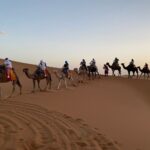
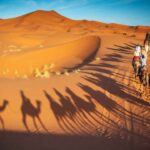
Most travelers come to Morocco to experience the Sahara around Merzouga (Erg Chebbi) or Erg Chigaga, near M’hamid. These areas are peaceful and the local Berber communities live from tourism.
The main risks in the desert are not crime but nature:
- Extreme heat in summer
- Cold nights in winter
- Dehydration and sun exposure
- Getting lost if you go off alone
Traveling with an experienced driver and local desert guides is the safest way to reach Merzouga, Erg Chebbi, or Erg Chigaga. They know the pistes, the weather, and the safe routes across the dunes.
Women’s safety and cultural respect
Many women travel to Morocco alone or with friends and feel comfortable, especially in touristic cities and on guided tours. However, you may receive extra attention, such as stares or occasional comments.
To reduce discomfort:
- Dress modestly, especially in smaller towns and villages (cover shoulders and knees).
- Avoid walking alone in quiet areas at night.
- Choose riads and hotels with good reviews, ideally in central, well-lit areas.
- Book a trusted local guide in medinas like Fes el Bali or Marrakech for a calmer experience.
Most Moroccan people respect guests, and politeness is highly valued.
Transport and road safety
Roads between cities such as Casablanca, Rabat, Tangier, Marrakech, Agadir, and Fes are generally good, with modern highways. In the Atlas Mountains and desert regions, roads can be narrow with sharp turns.
If you are not used to driving in such conditions, it is safer to travel with a professional driver, especially on routes like:
- Marrakech – Ouarzazate – Dades – Merzouga
- Fes – Midelt – Errachidia – Merzouga
- Marrakech – Tizi n’Tichka – Ait Benhaddou – Zagora / M’hamid
Seat belts are important and should always be used, even on short distances.
Health, food, and water safety

Moroccan food is delicious and usually safe to eat when it is freshly cooked and hot. To protect your stomach:
- Enjoy tajine, couscous, and grilled dishes in busy restaurants and street stalls with high turnover.
- Wash your hands often or use hand gel.
- Drink bottled water, especially outside big cities.
In summer, sun protection is essential. Wear a hat, sunglasses, and sunscreen, and drink water regularly, particularly in Marrakech, Fes, the Atlas Mountains, and the Sahara.
Respecting local culture and religion
Morocco is a Muslim country and traditions are important. Simple acts of respect will help you feel welcomed and safe:
- Dress modestly in religious sites and rural areas.
- Ask before taking photos of people.
- Avoid public displays of affection.
- During Ramadan, avoid eating or drinking in front of fasting people in very public places. Cafés and restaurants that serve tourists will still be open.
Money, ATMs, and valuables
In cities like Marrakech, Fes, Casablanca, Tangier, Agadir, and Ouarzazate you will find plenty of ATMs.
Tips to protect your money:
- Keep most of your cash and passport in a money belt or hotel safe.
- Carry small amounts in an easy pocket for daily spending.
- Use bank ATMs inside shopping centers or well-lit streets when possible.
How our Morocco tours keep you safe
Traveling independently in Morocco is possible, but many visitors prefer the comfort of an organized tour. With our private Morocco tours:
- You are met at airports such as Marrakech Menara, Casablanca Mohammed V, Fes-Saïss, or Tangier Ibn Battuta by a local driver.
- You travel in modern, licensed vehicles, with a driver who knows the safest routes and parking spots.
- We book trusted riads and hotels in safe, central neighborhoods in cities like Marrakech, Fes, Chefchaouen, Casablanca, Rabat, and along the desert routes.
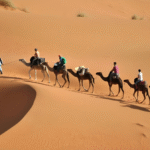
- In the Sahara around Merzouga, Erg Chebbi, or Erg Chigaga you stay in camps that we know personally, with local guides and camel leaders who look after you from arrival to departure.
This style of travel reduces stress and lets you enjoy the country while local experts handle the details.
Final thoughts: Is Morocco safe to travel to?
No country is 100% risk-free, but Morocco is, for most visitors, a safe and welcoming destination. If you use normal city awareness, respect local culture, and plan your routes carefully, you can explore the medinas, mountains, and Sahara desert with peace of mind.
Traveling with experienced local guides and drivers makes the journey even smoother and safer, so you can focus on what really matters: enjoying Morocco.
FAQs about safety in Morocco
Yes, many solo female travelers visit Morocco every year. Modest clothing, staying in central areas, avoiding quiet streets late at night, and joining guided tours in medinas and the desert will make the experience more comfortable.
Morocco is a family-friendly destination. Kids usually love riding camels in Merzouga, playing on the beach in Essaouira or Agadir, and exploring Marrakech’s squares. Choose shorter driving days, book family rooms in riads, and avoid the strongest midday heat.
Main squares and large streets in Marrakech, Fes, and other big cities are usually lively at night. Stick to busy areas, avoid carrying valuables, and return to your riad or hotel by a safe route that you know.
Yes, desert areas around Merzouga, Erg Chebbi, and Erg Chigaga are calm and rely heavily on tourism. The safest option is to visit with an organized tour that includes a professional driver, local guides, and a well-equipped camp.
Morocco is a conservative country and same-sex relationships are not accepted in public. Many LGBTQ+ travelers still visit Morocco, but they keep affection private and focus on enjoying the cultural and natural experiences of the country.