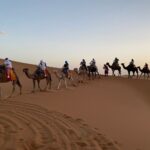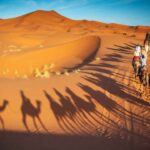
Visiting Morocco is more than ticking off cities like Marrakech, Fes, Chefchaouen, or Merzouga. It is about respecting a culture that is warm, traditional, and proud. A few simple conduct rules will help you feel welcome everywhere you go, from the medina streets to the Sahara dunes.
Quick list: Dos and Don’ts in Morocco
- Do greet people with “Salam alaykum” or “Bonjour” and a smile
- Do dress modestly, especially in old medinas, villages, and mosques
- Do ask before taking photos of people, shops, or private homes
- Do carry a little cash for tips in riads, restaurants, and taxis
- Do bargain politely in souks, but keep it friendly
- Don’t show strong public affection or kiss in the street
- Don’t drink alcohol in public streets or near mosques
- Don’t talk loudly about politics, religion, or the king
- Don’t enter prayer rooms in mosques unless allowed on a guided visit
- Don’t photograph police, soldiers, or government buildings
Understanding Moroccan culture
Morocco is a Muslim country with Arab, Amazigh (Berber), and Andalusian roots. Family, religion, and hospitality are very important. In big coastal cities like Casablanca and Tangier, the lifestyle is more modern, while in medinas and villages, life is more traditional.
When you know these small differences, it becomes easier to understand why people dress modestly, why call to prayer is respected, and why elders are treated with so much honor.
Main dos in Morocco

Do greet people and be polite
A simple “Salam” or “Bonjour” when you enter a shop, riad, or taxi goes a long way. Moroccans often greet with a handshake between men, or a hand on the heart when greeting women or elders.
Use “Shukran” (thank you) and “Afak” (please) as much as you can. People really appreciate the effort.
Read more about Moroccan Arabic Phrases for Travelers
Do dress modestly
You do not need to cover your hair, but try to cover shoulders, chest, and knees, especially in:
- The medinas of Fes, Marrakech, and Meknes
- Smaller towns like Erfoud, Rissani, Zagora
- Mosques and religious sites
At the beach in Agadir, Essaouira, or on the Atlantic coast, swimwear is fine on the sand, but not in the streets or cafés.
Do ask before taking photos
If you want to photograph a shopkeeper in Fes el Bali, a spice seller in Marrakech, or a Berber nomad in the desert, always ask first.
Many people will say yes with a smile, some may refuse, and a few may ask for a small tip. Never take pictures of women or children without permission.
Do carry cash and tip fairly
In medinas and smaller cities, cash is still king. Keep small bills and coins for:
- Porters at riads (for example in Fes, Chefchaouen, and Marrakech)
- Café and restaurant staff
- Desert camp teams and camel handlers in Merzouga or Erg Chigaga
- Local guides in cities and valleys
Tips are not mandatory but are expected when you are happy with the service.
Read more about Tipping in Morocco: How Much to Tip and When
Do bargain in markets
Bargaining is normal in Moroccan souks, especially in cities like Marrakech, Fes, and Asilah. Treat it like a friendly game: smile, offer a lower price, and meet in the middle.
If the price is still too high, say “No, thank you” and walk away politely. You should not bargain in supermarkets, restaurants, or places with fixed prices shown clearly.
Main don’ts in Morocco

Don’t show strong public affection
Holding hands is usually fine, but kissing or hugging in the street, in front of mosques, or in small villages can make people uncomfortable.
Keep romantic moments for private spaces like your riad room or a quiet corner in your hotel.
Don’t drink alcohol in public streets
You can find alcohol in many hotels, some restaurants, and bars in cities like Casablanca, Marrakech, and Rabat. However, drinking in public streets, near mosques, or in front of families is not accepted.
Avoid walking drunk in medinas; it is considered disrespectful and can also attract trouble.
Don’t enter prayer areas without permission
In most mosques, non-Muslim visitors are not allowed inside prayer rooms. The Hassan II Mosque in Casablanca is a special exception with guided tours.
If you visit, follow the guide, dress modestly, remove your shoes where asked, and stay quiet during prayer times.
Don’t ignore local sensitivities
Avoid negative comments about religion, the royal family, or Western Sahara politics. These topics are sensitive and can create tension very quickly.
Instead, ask open, respectful questions if you are curious, and let your local guide lead the conversation.
Don’t be impatient with time
Things can move slowly: check-in at riads, service in traditional restaurants, or driving through mountain roads. Morocco follows a relaxed rhythm, especially in southern areas like Dades, Todra, and the Sahara.
Plan a little extra time for transfers between cities such as Marrakech, Fes, and Merzouga so you can enjoy the journey instead of feeling rushed.
Simple conduct table for travelers
| Situation | Do | Don’t |
|---|---|---|
| In a mosque or religious site | Dress modestly, speak quietly | Take selfies during prayer or enter closed areas |
| In a medina souk | Greet shopkeepers, bargain with a smile | Touch items roughly or argue angrily |
| In cafés and restaurants | Wait to be seated, tip small change | Snap photos of people eating without asking |
| In villages and desert camps | Follow your local host’s lead, join tea ceremonies | Walk into private tents or homes without invitation |
| During Ramadan | Be discreet if you eat or drink in public daytime | Eat, drink, or smoke directly in front of fasting people |
City, coast, and desert: where rules feel different
- In big cities like Casablanca, Rabat, and Tangier, people are more used to foreign visitors and dress styles are mixed.
- In old medinas such as Fes el Bali or the Marrakech Medina, life is more conservative. Respectful clothing and calm behavior are important.
- In coastal towns like Essaouira and Agadir, the atmosphere is relaxed, but you should still cover up when leaving the beach.
- In desert areas around Merzouga and Erg Chigaga, you will often meet Amazigh families and nomads; politeness, small gifts for children (like school supplies instead of money), and simple Arabic or Tamazight phrases are always welcome.
Cultural guidance during our Morocco tours
If you travel with us on a Morocco tour, your driver and local guides will remind you of these conduct rules in each region. They will explain when you can take photos, how much to tip, and how to behave in mosques, markets, and family houses.
This makes your trip smoother and helps you enjoy real contact with Moroccan people, not only the tourist side.
FAQs about dos and don’ts in Morocco
No, you do not need to cover your hair. Just avoid very short shorts, low-cut tops, or transparent clothing in cities and villages.
Most hotels and riads that work with international travelers allow unmarried foreign couples to share a room. As long as you behave respectfully in public, there is usually no problem.
In busy areas of Marrakech, Fes, Casablanca, and Rabat it is generally safe to walk until late evening. Stay in well-lit streets, keep valuables hidden, and avoid very quiet alleys.
In local cafés, round up the bill or leave about 5–10%. For drivers, guides, and desert camp staff, tips depend on the length of service and your satisfaction, usually a few euros or dollars per person per day.
No. Bargaining is for souks, independent shops, and some street stalls. Supermarkets, malls, restaurants, and official ticket offices use fixed prices, so you should not negotiate there.