Welcome to Morocco, the land of contrasts, where you can experience all the seasons in a single journey. From the beautiful coastal shores of the Atlantic and Mediterranean, to the harsh yet charming golden dunes of the Sahara Desert. From the snowy peaks of the Atlas Mountains to the lush valleys, Morocco truly has it all.
But Morocco is more than just landscapes. It is a place where rich culture, deep history, and warm hospitality come together to welcome travelers from around the world. Whether you are looking to relax on the beach, trek through the mountains, ride camels across the desert, or explore unique architecture and history, Morocco welcomes you with open arms.
In this travel guide, we will help you explore the very best of Morocco, from where to go and what to do, to when to visit and how to get around.
Morocco is a land of diverse landscapes, from rugged mountains to vast deserts. Located in North Africa, it borders Algeria, Mauritania, and both the Mediterranean Sea and Atlantic Ocean. The Rif Mountains stretch across the north, while the Atlas Mountains run through the center and south, including the High Atlas, Middle Atlas, and Anti-Atlas ranges.
Heading south of the country, you will find the Sahara Desert, home to the golden dunes of Erg Chebbi near Merzouga and Erg Chigaga near M’Hamid. Near the coastal cities of the north and the South lie flat areas like the Souss Valley, and green regions such as the Sebou River area, great for farming and growing crops. Not to mention unique spots like Paradise, Ziz, Rose Valleys, and the beautiful Dades and Todra Gorges.
Morocco has many different climates, from hot deserts to cool mountains and mild coastal towns. You can relax by the sea in places like Rabat or Casablanca, enjoy the cool air and snowy peaks of the Atlas Mountains, or experience the heat and beauty of the Sahara Desert in the southeast. No matter the weather you prefer, Morocco has something for everyone — and its rich culture is just as diverse as its landscapes and climate.
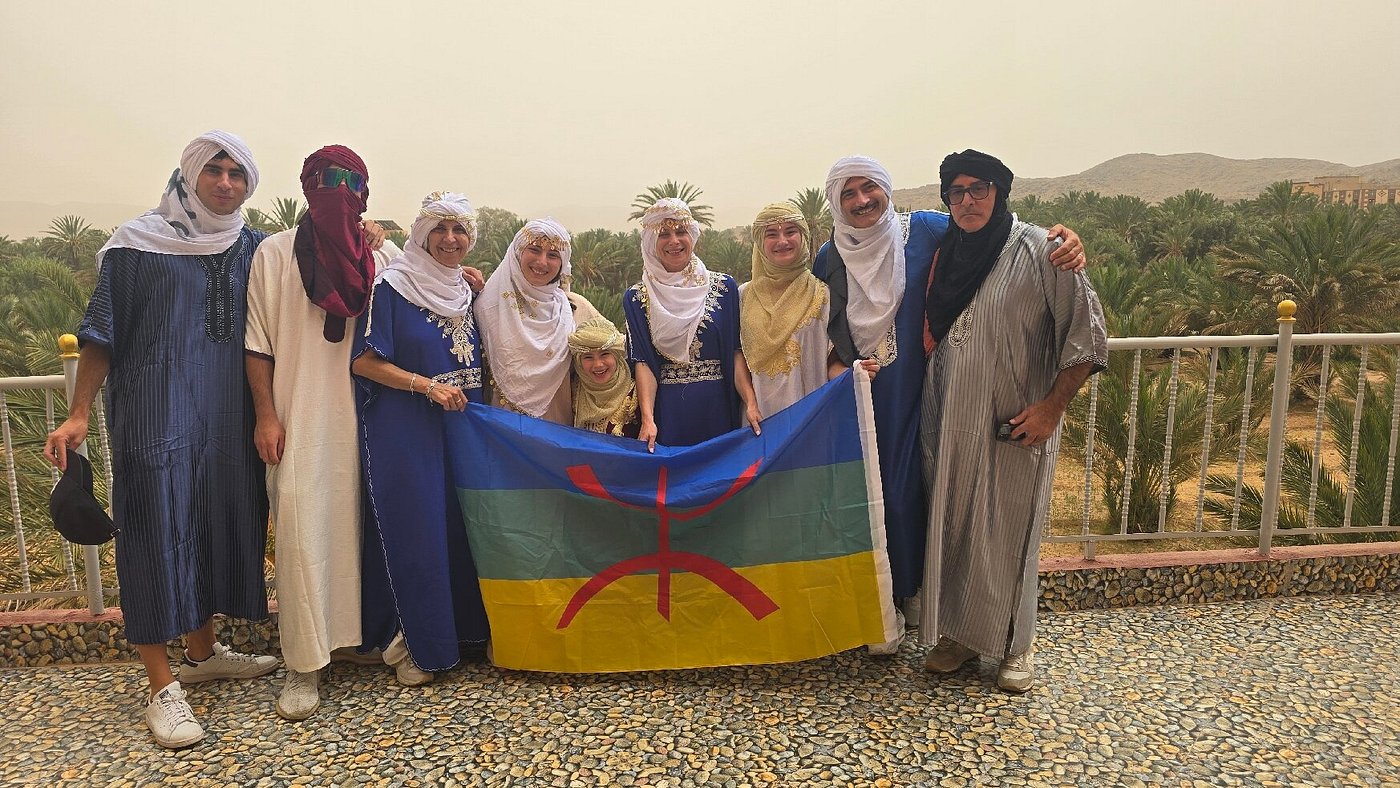
Moroccan culture is rich, colorful, and full of life. The two main ethnicities are the Berbers (indigenous people) and Arabs. Throughout the country, you will find a mix of Arab, Berber, and French influences in the food, clothing, language, and way of life. Popular dishes like Couscous and Tajines are unique to Morocco and have been passed down through generations.
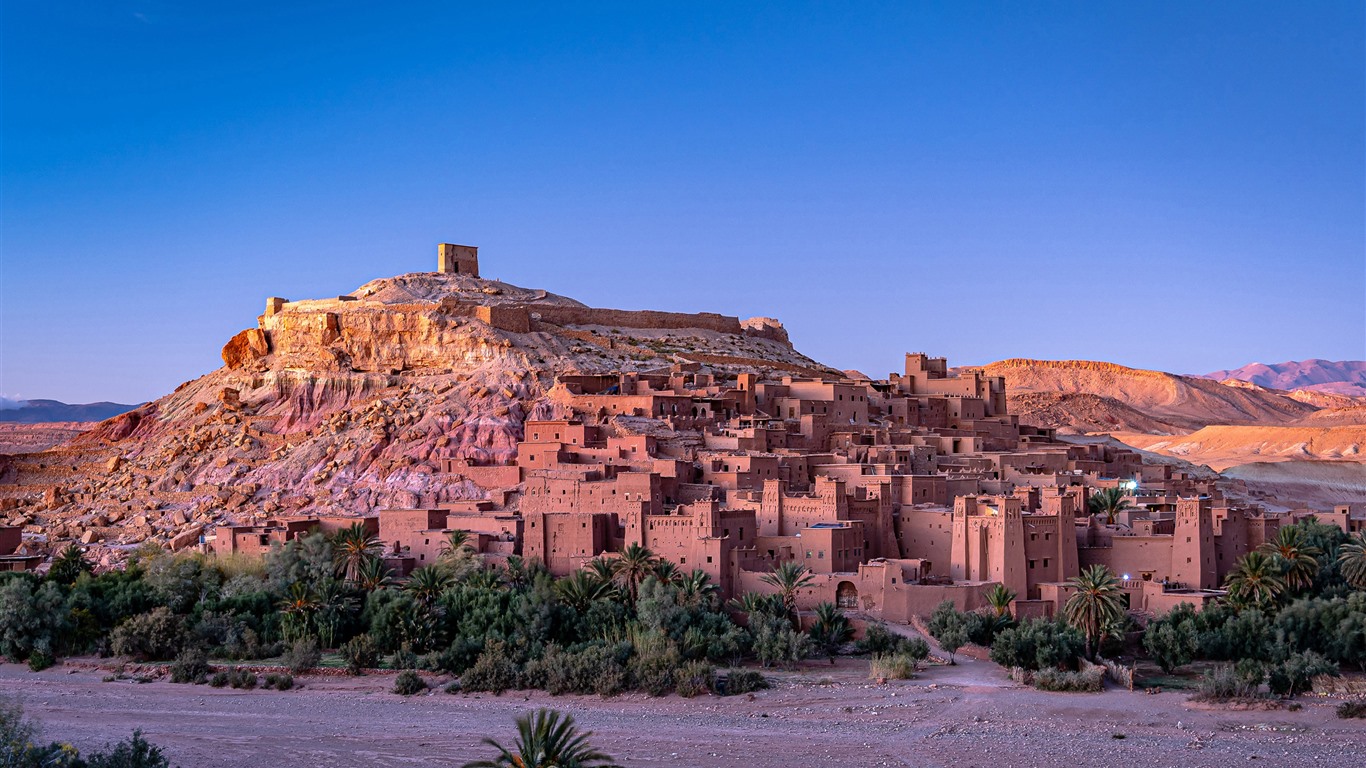
In the big cities, explore beautiful architecture crafted in mosques and Madrasas with detailed designs that are just mind-blowing and unique to Morocco. Or if you like simple lifestyles, head across the Atlas mountains and visit Berber villages made out of mud and straw. Furthermore, you can go even deeper into the desert and visit the Nomads living in tents and travelling from one place to another.
Morocco has a long and fascinating history shaped by the crossing of many cultures and civilizations. From the Berber Kingdoms to powerful Islamic dynasties, each era has left its mark. Given its strategic place as the center of the West and the East, the country played a key role in trade, religion, and even world events like World War II. Over time, these crossings have blended together, giving Morocco its rich and unique identity.
You can explore this history through old ruins, fortified villages, and historical Madinas across the country. Wherever you go, you will feel the deep roots of Moroccan culture through their warm hospitality, unique traditions, and mixture of historical stories.
Before traveling to Morocco, check if your country requires a tourist visa. Many travelers can enter visa-free for up to 90 days, but rules vary. Make sure your passport is valid for at least 6 months beyond your travel dates.
The local currency is the Moroccan Dirham (MAD). Exchange money at banks or official exchange offices, and compare rates to get the best deal. ATMs are widely available in cities.
The best time to visit Morocco is during spring (Early March–Early June) and fall (Late September–Late November). These seasons offer mild temperatures, fewer crowds, and great weather for exploring cities, the desert, and mountains. While December to February can be a little cold, especially in the desert during the nights, however, it can be a great experience to combine it with other places.
The high seasons for tourism in Morocco are the end of December and the Easter holiday. You might want to consider that, too. Spending Christmas and New Year’s Eve in the desert is a unique experience with fireworks and Berber drums.
The rest of the year, summer (Late June–Late August) can be extremely hot, especially in the Sahara and inland cities, making outdoor activities uncomfortable.
Morocco is full of amazing places to see, from colorful imperial cities and mountain towns to the golden dunes of the Sahara. Here are some of the top destinations you do not want to miss:
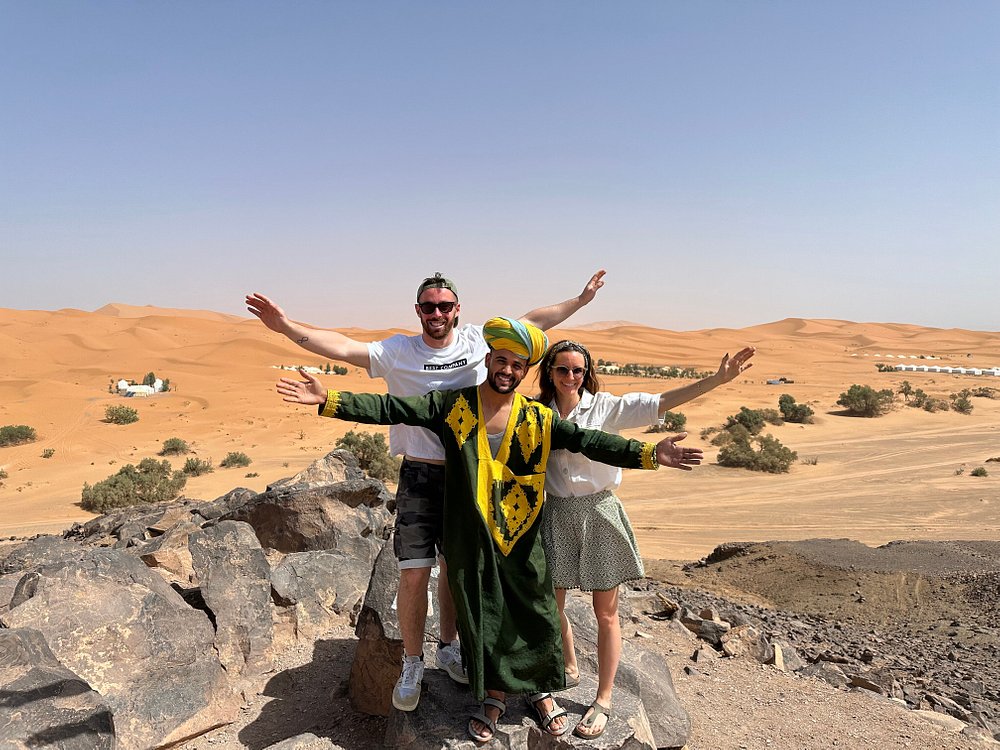
The Sahara Desert is the Highlight of the country. Almost no trip is complete without seeing the golden dunes or Erg Chebbi or at least Erg Chegaga. Ride camels, watch the sunset over the golden dunes, and sleep under the stars in a desert camp. Furthermore, to fully experience the desert, it is recommended to spend two nights. Having one full day will allow you to go around the desert, visit unique villages, meet Berber nomads, and visit Kohl mines.
The imperial cities of Morocco are: Marrakech, Fes, Meknes, and Rabat. When talking about imperial cities, we refer to historical cities that once served as capitals under different dynasties over time. Each city hosts a unique older side referred to as Madina, with palaces, fortified walls, grand mosques, and crowded markets that reflect the country’s rich cultural and architectural heritage.
Marrakech: The most famous of all the imperial cities and the capital of tourism. It hosts many interesting attractions like, Bahia & Badi palaces, Jamaa El Fna Square, Koutoubia mosque, the Saadian tombs, Madrassa Ben Youssef, and Majorelle Garden.
Fes: The cultural and spiritual capital of the country. The city is home to the world’s oldest university, one of the oldest Madinas in the world, and some of the best craftsmen in the Islamic world.
Rabat: The current capital of Morocco. Key attractions of the city are: Hassan Tower, Chellah, Kasbah Des Audayas, and the Mausoleum of Mohammed V.
Morocco has a long coastline along the Atlantic Ocean and the Mediterranean Sea. This line offers many cities that are perfect for travelers looking for fresh seafood, medinas, and water activities like surfing and kitesurfing.
Essaouira: This laid-back Atlantic town is the best among the best destinations in Morocco. It has all: an old city (Madina), clean beaches, fresh seafood, and many different activities. From horse riding, quad biking, to Kitesurfing.
Agadir: This city offers over 300 days of sunshine each year, a great spot for families and beach lovers. If you are looking for sunny weather and relaxation, this is your place.
Asilah: Quiet, clean, and full of charm. With its old white walls, Asilah is an excellent city to visit when touring the north of Morocco.
Tangier: The Bride of the North, as Moroccans like to call it, is one of the important cities in Morocco for its strategic location. Clean beaches, old town, and colorful markets.
Morocco is not only about the Sahara Desert and coastal cities; it is also home to beautiful mountain ranges. The Rif Mountains, located in the north of the country, are around 290 km long. They offer cool weather and host unique cities and waterfalls like Akchour and Chefchaouen, known as the blue city of Morocco. This region is ideal for hiking, nature walks, and relaxing in peaceful landscapes.
On the other hand, Morocco is home to the Atlas Mountains, the main mountain range of the country. They are in the center and stretch through three countries. They can be divided into three main ranges:
The High Atlas Mountains: This is the tallest mountain range in Morocco, home to Mount Toubkal (4,167m) — the highest peak in North Africa. The area is popular for trekking, skiing, and rock climbing, and it’s also known for its beautiful valleys, waterfalls, and gorges. Some of the top places to see in the High Atlas include the Todra Gorge, Dades Gorge, and valleys like Ziz, Draa, the Valley of Roses, and Ourika Valley.
The Middle Atlas Mountains: This mountain range is the most green of all three parts. It is home to unique wildlife, like the Barbary macaques. Also, it hosts beautiful cities like Ifrane, the little Switzerland of Morocco. Not to mention, the highest waterfalls in North Africa, the Ouzzoud waterfalls.
The Anti-Atlas Mountains: This range is mostly Volcanic rock, black and arid mountains. Rich in minerals like silver and barite.
Travelling around Morocco is easy and fun if you follow the following tips: